
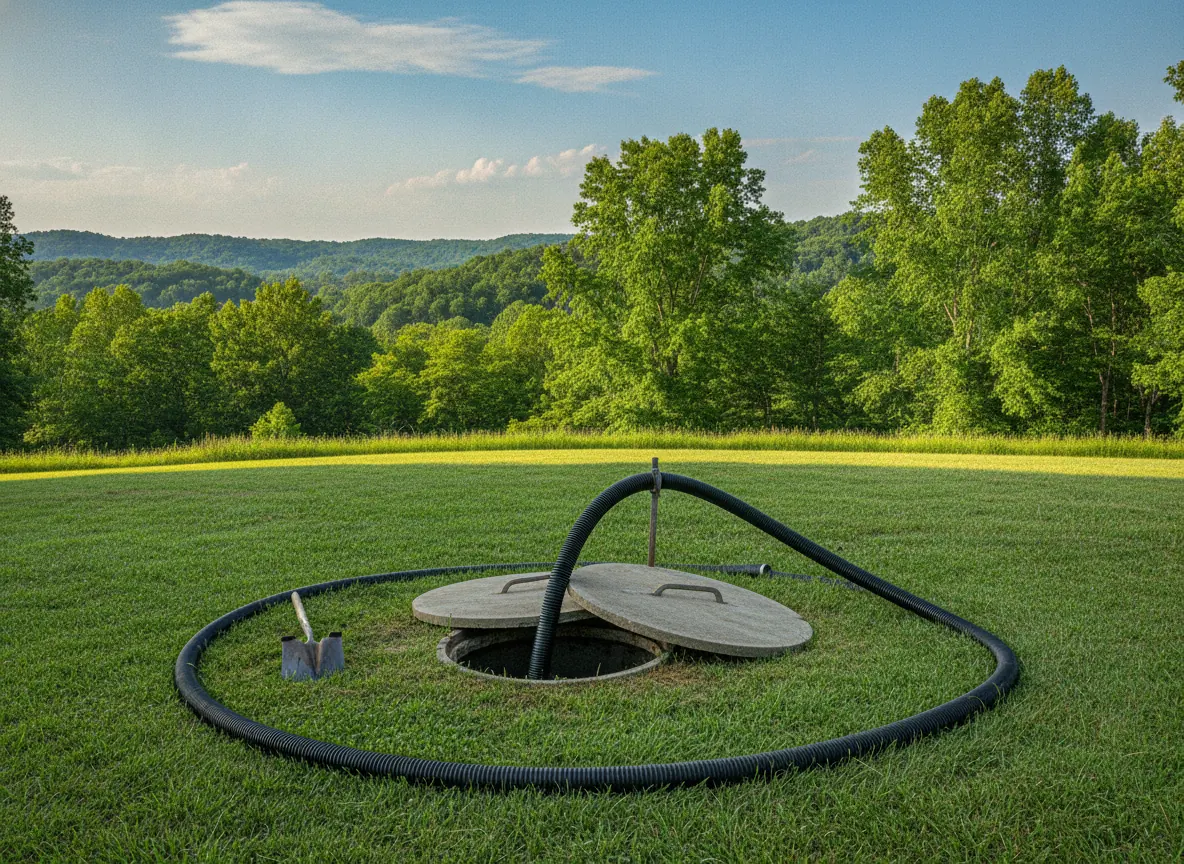
Septic Tank Pumping & Cleaning
Routine pump-outs for 750- to 1,500-gallon tanks, full sludge and scum removal, effluent filter cleaning, tank locating and lid digging, holding tanks and aerobic units.
Septic pumping quotesOutside the sewer lines, Hamilton County homes run on septic tanks dug into clay and limestone. We connect Chattanooga-area homeowners with independent local septic pumping, inspection and repair companies for free, no-obligation quotes.
Tell us what is going on: a routine pump-out, a house sale, slow drains after a storm, a cracked lid or a restaurant grease trap. Independent local companies that handle that kind of job follow up with quotes.
Routine pump-outs for 750- to 1,500-gallon tanks, full sludge and scum removal, effluent filter cleaning, tank locating and lid digging, holding tanks and aerobic units.
Septic pumping quotes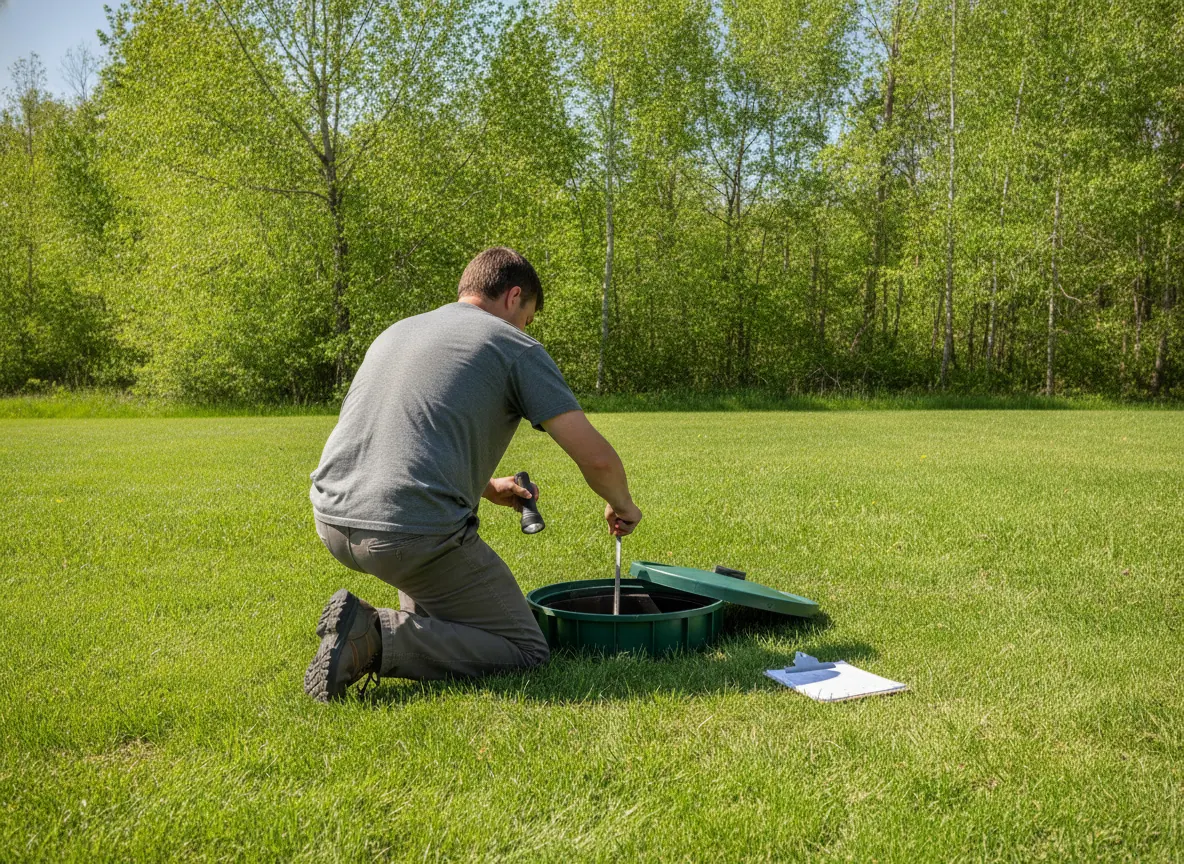
Pre-purchase and pre-listing septic inspections, camera scoping of lines, dye and load tests, and help ordering Hamilton County’s $105 Inspection Letter as a separate government product.
Septic inspection quotes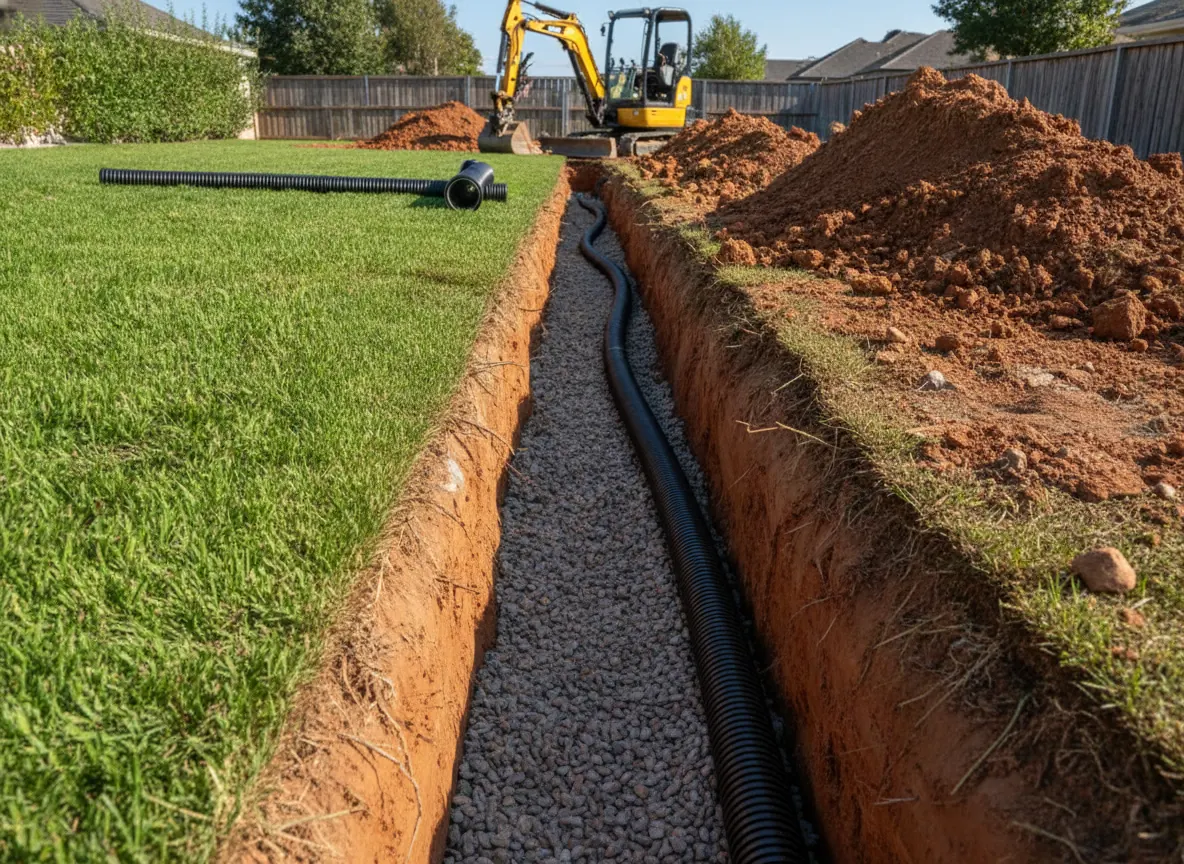
Diagnosis of soggy or backing-up fields, distribution box work, line jetting, partial line replacement and full replacement under a Hamilton County repair permit.
Drain field quotes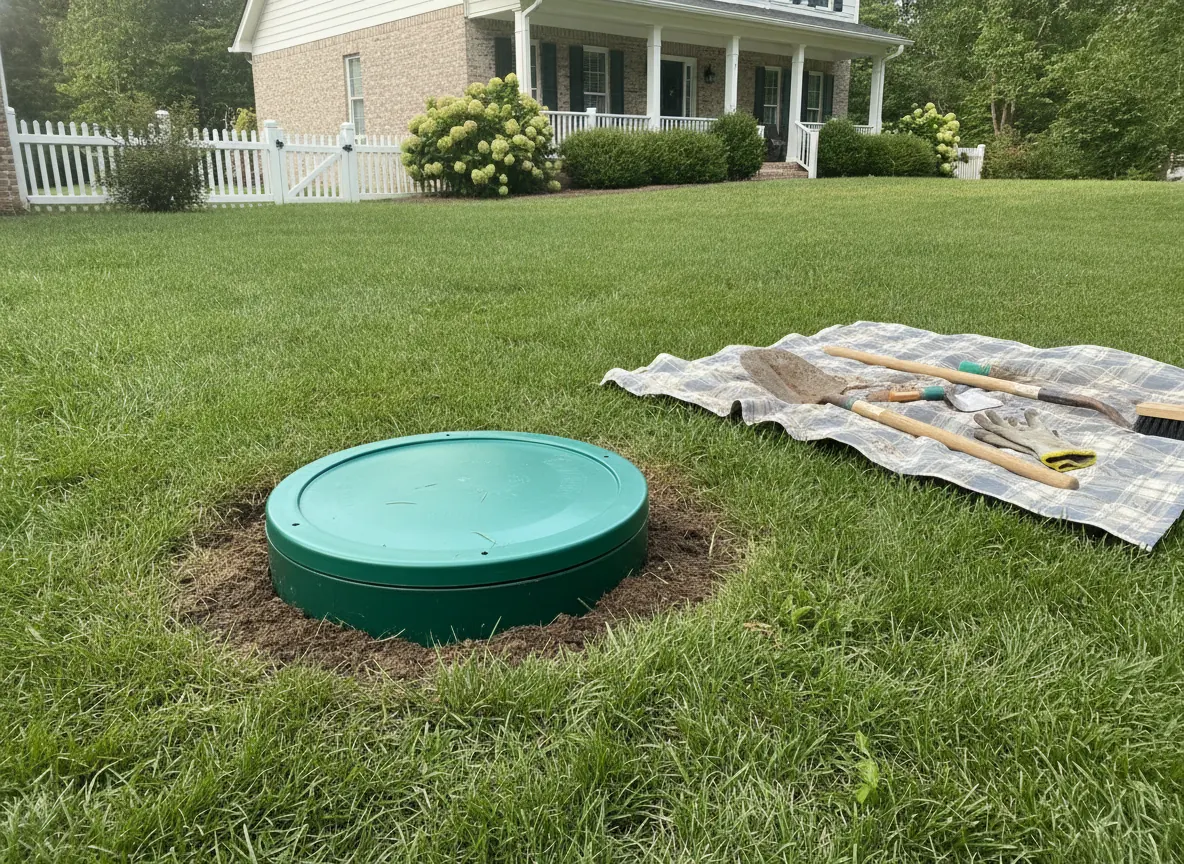
Cracked concrete lids, riser and safety lid installation, inlet and outlet baffle repair, effluent filters, effluent and grinder pump replacement, alarm panels.
Septic repair quotes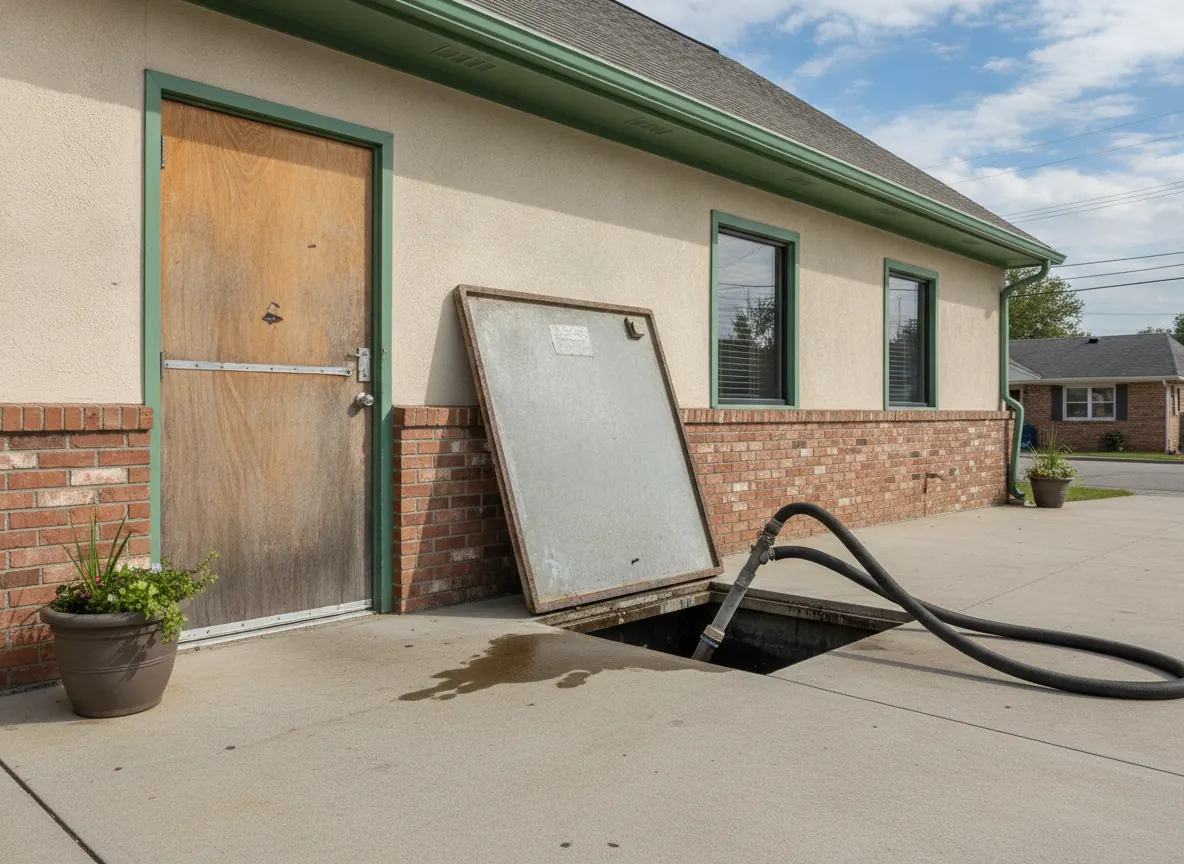
Scheduled pump-outs for restaurants, churches, schools and commercial kitchens, indoor traps and outdoor interceptors, service logs and emergency clog pump-outs.
Grease trap quotes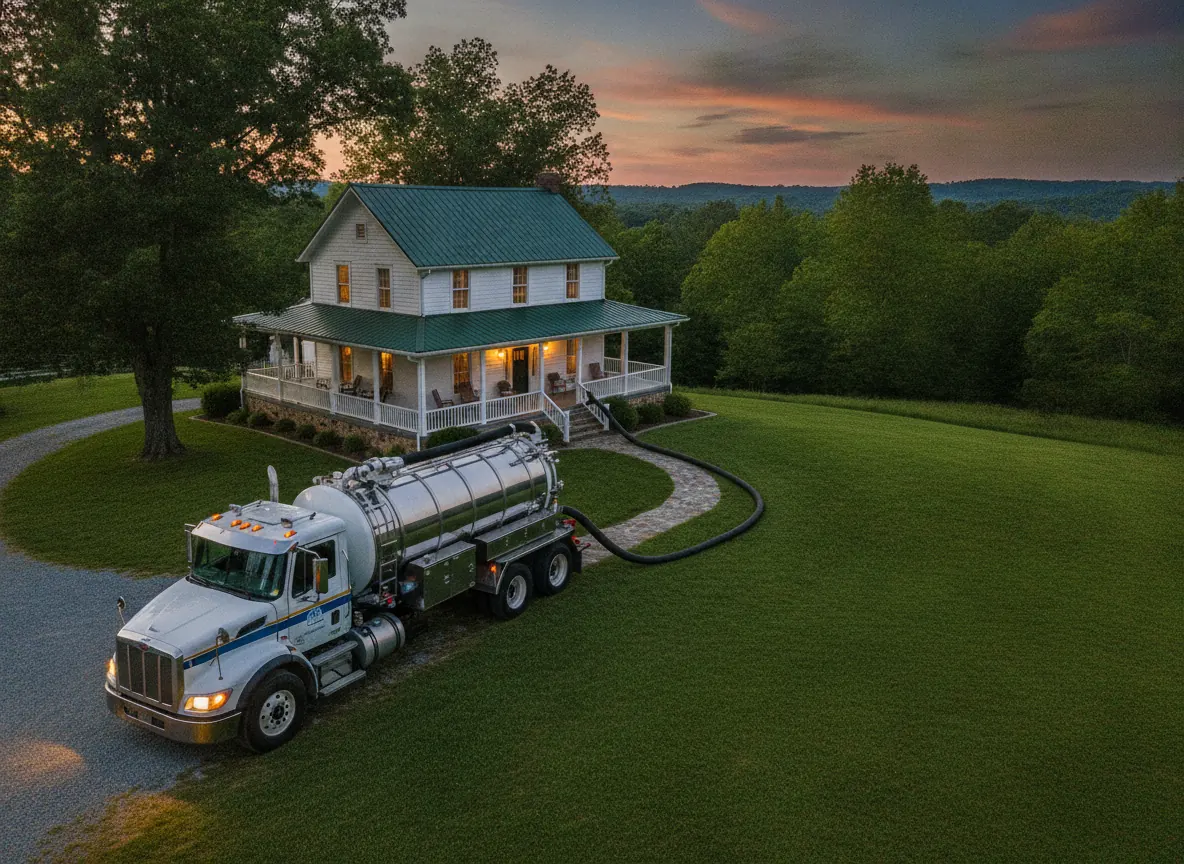
Backups, overflows, alarms and after-storm pump-outs. Companies can usually come the same or next day when available; no one here promises round-the-clock service they have not committed to.
Emergency septic quotesThree steps on our side. The company you pick handles the visit from there.
Use the free quote form or call. How many bedrooms, when the tank was last pumped, whether you know where the lid is, and what you have noticed: slow drains, gurgling, wet ground over the field, an alarm. A photo of the lid or riser helps.
Independent septic pumping, inspection and repair companies that serve your ZIP code reach out. We usually reply the same day.
Pumping is usually a flat price by tank size, with digging and filter cleaning listed separately. Repairs should come as a written scope. Check numbers against our cost guide, where pumping runs about $175–$600 by tank size in national data.
Hire one, ask more questions or walk away. There is no obligation. Read the full process.
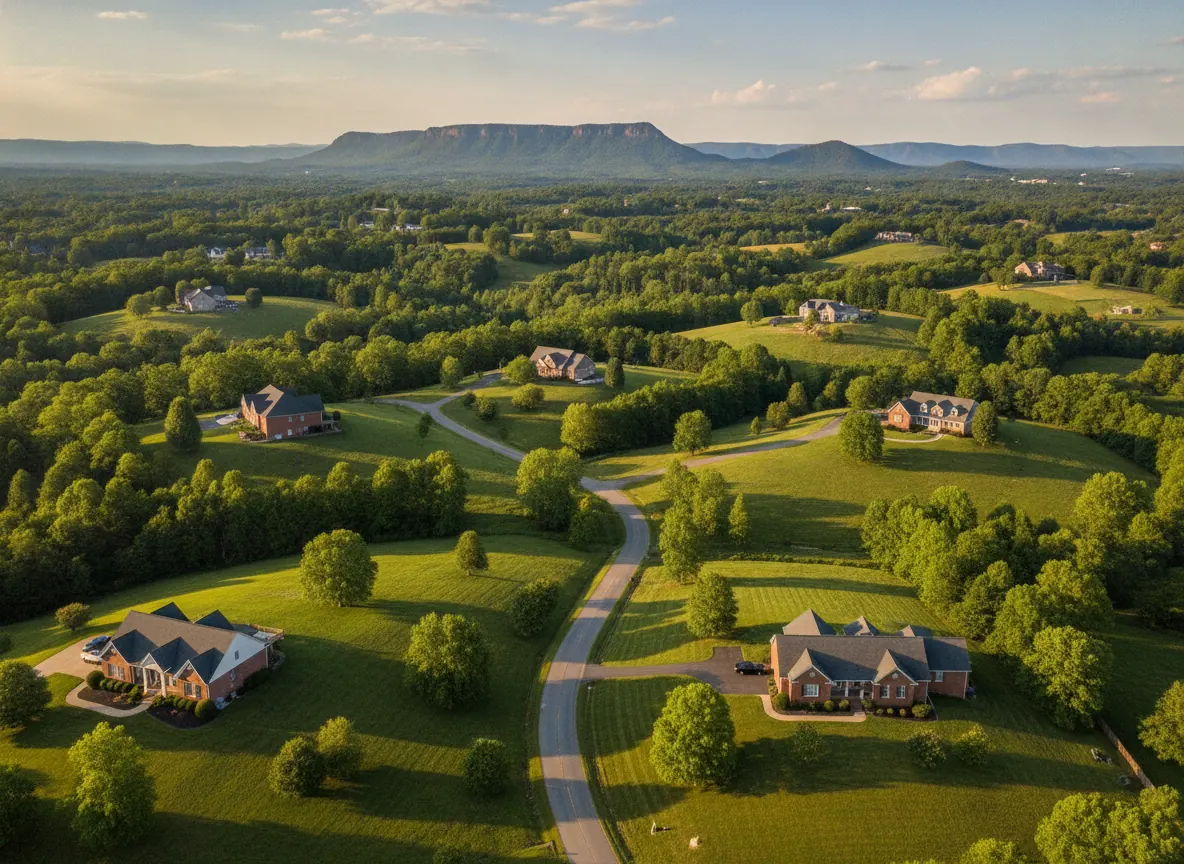
Hamilton County has 376,192 people and 154,181 occupied homes, about half of them (79,084) inside the City of Chattanooga (ACS 2024 5-year). The county’s median home was built in 1982; the city’s in 1976, with 42.4 percent of city units dating from before 1970. The sewer map does not follow the city line neatly, and that is the first thing to sort out before you call anyone.
Inside Chattanooga, wastewater runs through more than 1,200 miles of city pipe and 80 pump stations to the Moccasin Bend Environmental Campus, which averages about 70 million gallons a day, is permitted for 140 MGD plus 80 MGD of wet-weather treatment, and serves more than 400,000 residents across a 500-square-mile collection area, including nine customers outside the city such as Collegedale. The city system has been under a federal consent decree since 2013 (U.S. v. City of Chattanooga, No. 1:12-cv-00245) with roughly $250 million of overflow work. Outside the city, the Hamilton County Water and Wastewater Treatment Authority (WWTA), created in 1993, is responsible for sewer in unincorporated Hamilton County and in East Ridge, Lakesite, Lookout Mountain, Red Bank, Ridgeside, Signal Mountain and Soddy-Daisy. It reports just over 30,000 sewer customers on about 500 miles of line, 60 pump stations and 900 grinder pumps, and it is not responsible for Collegedale, Walden or Chattanooga. No agency publishes a count of septic systems in Hamilton County, and WWTA customers are accounts rather than households, so those figures are a ceiling on sewer coverage, not a septic percentage. What they do show is a wide unsewered fringe: the eastern county around Ooltewah, Harrison and Apison, the north end along US 27 through Soddy-Daisy and Sale Creek, and the plateau above Signal Mountain. A 2025 WDEF report summed it up: the unincorporated county “predominately does not have sewers.” Under TDEC Rule 0400-48-01-.06(2), a septic permit is refused where an accessible public sewer exists, so a new septic tank inside the city is the exception; more in septic inside Chattanooga city limits.
Hamilton County straddles two landscapes. East of the Tennessee River is the Ridge and Valley, where soils weather out of limestone and shale. West of it the Cumberland Plateau escarpment rises as Walden Ridge, Signal Mountain and Lookout Mountain, capped by sandstone with thin soil over rock. The NRCS soil series named for this area tell the story: Talbott soils are “clayey residuum weathered from limestone” with bedrock 20 to 40 inches down and “moderately slow permeability”; the Collegedale series, whose type location is on Tallant Road in Hamilton County, is clay or silty clay with the same moderately slow permeability; Fullerton soils are deep and well drained but 10 to 45 percent chert gravel. Tennessee accepts percolation rates of 10 to 75 minutes per inch (Rule .07), requires every lot to hold a duplicate drain field area (Rule .03) and sets 50-foot setbacks from wells and springs (Rule .11). Slow clay, shallow rock and the limestone voids documented at Enterprise South (two thirds of Tennessee is underlain by limestone) are why many East Hamilton lots end up with low-pressure, mound or drip systems instead of a conventional trench, and why Tennessee sellers must disclose known percolation test results and known sinkholes (TCA 66-5-212). Which soil sits under a given subdivision is a parcel-level question; the county hosts an NRCS SSURGO map service. See why drain fields fail in clay and karst.
Chattanooga’s Lovell Field averages 52.48 inches of precipitation a year (NOAA 1991–2020 normals), with only 3.6 inches of snow. The wettest months are November (5.00 inches), March (4.98 inches) and January and July (4.91 inches each); the driest are October (3.28 inches) and August (3.48 inches). December through March delivers 19.6 inches while evaporation is lowest, which is when clay drain fields sit saturated and slow drains show up. There are 15.7 days a year with an inch or more of rain. The practical reading: late summer and early fall, with the fewest rain days, is the dry-ground window for pumping, inspections and repairs, and the emergency calls cluster in winter and after summer storms.
On August 12, 2025, 6.42 inches fell at Chattanooga Airport, the second-wettest calendar day since records began in 1879. Chattanooga Police logged 427 calls for service, Hamilton County Swift Water Rescue and Chattanooga Fire rescued at least 35 people, and County Mayor Weston Wamp declared a local state of emergency; East Ridge, Brainerd, East Brainerd and Fort Oglethorpe were hardest hit, and Wolftever Creek near Ooltewah peaked at 1,650 cubic feet per second. A flooded yard does not by itself damage a septic system, but a tank or field under standing water cannot drain, and a pumper will usually say to wait until the water recedes before opening a tank. What that event taught homeowners is in heavy rain and septic backups.
The newest housing in the county sits where sewer is thinnest. The Ooltewah ZIP code (37363) has a median year built of 2003 with 57.1 percent of its units built in 2000 or later; Collegedale’s median is 2005 and Apison’s 1998–2000 (ACS 2024 5-year; ZIP code figures for Ooltewah). Hamilton County issued between 2,043 and 2,804 residential building permits a year from 2020 through 2024 (Census Building Permits Survey). Volkswagen’s Enterprise South plant, with about 4,000 workers (Military.com), is the reason county development staff gave in 2024 for pushing housing toward Ooltewah. The same corridor was the center of a 2018–19 episode in which TDEC directed WWTA to halt new sewer tie-ins in parts of eastern Hamilton County after 29 overflows, the county paused septic permits there for a period, and commissioners rejected a $45 million WWTA plant on Mahan Gap Road. No source states when or whether that moratorium was formally lifted. Many 2000s systems in the corridor are now reaching their first or second pump-out, while 1970s–90s subdivisions in Harrison (61.4 percent of units built 1970–99), Middle Valley and Soddy-Daisy run on original tanks.
Tennessee’s septic rules come from the TDEC Division of Water Resources under Rule Chapter 0400-48-01 and TCA 68-221-401 et seq. Hamilton County is one of nine “contract counties,” so day-to-day permitting is done by the county’s own Division of Groundwater Protection (Development Services, 1250 Market St, Suite 3046, Chattanooga; 423-209-7876; gwp@hamiltontn.gov), not the health department and not the state field office. Applications have been online only since March 11, 2024. Bradley, Marion, Sequatchie and Rhea counties are handled by the TDEC Chattanooga Environmental Field Office (1301 Riverfront Parkway, Suite 206; 423-634-5745). Three different permits matter to a homeowner:
More in who regulates septic systems in Hamilton County. This is general information, not legal advice.
Quote requests come from across Hamilton County (population 376,192, ACS 2024 5-year) and from Cleveland and Bradley County, where septic permits run through TDEC rather than the county office.
See every community on the service areas page. We cover Tennessee only; Georgia septic work falls under a different regulator and credential. Not sure whether your address is covered? Send the form anyway and we will tell you.
National guides put pumping at about $400 on average, typically $300–$600 (Fixr 2025). By tank size: 750 gallons $175–$300, 1,000 gallons $225–$400, 1,250 gallons $300–$600 and 1,500 gallons $345–$600. One local company published a 2026 starting price of $250. A buried or unknown lid adds locating and digging time. These are estimates, not quotes; see the cost guide.
The EPA says household septic tanks are typically pumped every three to five years and inspected at least every three years by a septic service professional. Tennessee’s rules set no pumping interval; Rule 0400-48-01-.13 simply makes the property owner responsible for maintaining the system. Household size, tank size and a garbage disposal move the interval, so ask the pumper to note sludge and scum levels and suggest a date.
Inside the city, most homes drain to the Moccasin Bend plant through Chattanooga’s own system. Outside the city, the WWTA sewers only parts of unincorporated Hamilton County plus East Ridge, Lakesite, Lookout Mountain, Red Bank, Ridgeside, Signal Mountain and Soddy-Daisy; it reports just over 30,000 sewer customers in a county of 154,181 occupied homes (ACS 2024 5-year). Call the WWTA availability line, (423) 209-7842, or check your closing documents.
Hamilton County is a TDEC “contract county,” so the county’s Division of Groundwater Protection (1250 Market St, Suite 3046; 423-209-7876) issues septic permits under TDEC Rule 0400-48-01 rather than the state field office. Applications have been online only since March 11, 2024. A homeowner’s repair permit costs $40 and a new-system permit $440. In Bradley County, permits run through the TDEC Chattanooga Environmental Field Office. This is general information, not legal advice.
Ask for the company’s TDEC Septic Tank Pumping Contractor permit number (Rule 0400-48-01-.20) and its Hamilton County pumper license, then check both on the public TDEC Installers & Pumpers DataViewer and the county’s 2026 list. The permit number must appear on both sides of the truck in two-inch letters. Ask where the septage is discharged, whether the price includes digging to the lid, and for a written note of baffle and filter condition.
No. Septic Pumping Chattanooga is a free quote service, not a septic company. We connect Chattanooga-area homeowners with independent local septic pumping, inspection and repair companies for free, no-obligation quotes. The company you choose does the work and contracts with you directly. We never charge homeowners, you can compare or decline any quote, and we usually reply the same day. Read more about us.
It can. Chattanooga’s NOAA 1991–2020 normals show 52.48 inches of rain a year, with 19.6 inches falling December through March when the ground dries slowest, and 15.7 days a year of an inch or more. When a drain field in slow-draining clay is saturated, effluent has nowhere to go and fixtures drain slowly or back up. Pumping gives temporary relief; whether the field itself needs work is something an inspection determines.
More answers on the septic FAQ. Septic Pumping Chattanooga is an independent quote service and is not affiliated with any septic company of a similar name.
Free, no-pressure quotes across Chattanooga, Ooltewah, Soddy-Daisy, Signal Mountain and Hamilton County.